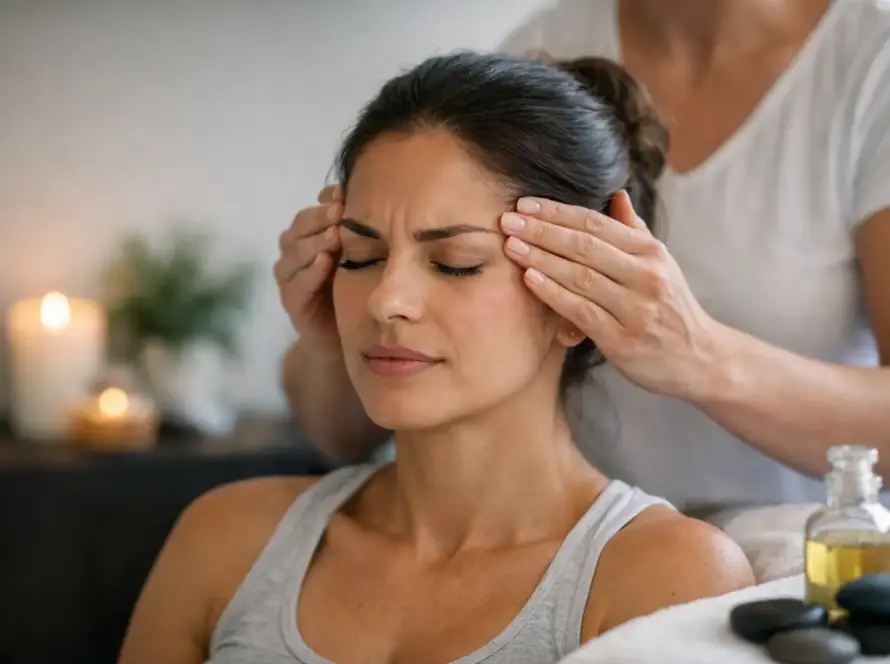
That familiar next-day stiffness can make stairs feel steeper, turning your head feel harder, and a favorite workout feel like a questionable decision. Sports massage for post workout soreness is a practical way to care for muscles that feel tight, fatigued, and overworked while giving your body a calmer window to recover.
Soreness after exercise is normal, especially when you have increased your weight, mileage, intensity, or tried a new activity. But normal does not always mean comfortable. A well-timed massage can help you feel less restricted, more relaxed, and better prepared to return to the movement routine you enjoy.
What Causes Post-Workout Soreness?
Delayed onset muscle soreness, often called DOMS, usually develops 12 to 24 hours after an unfamiliar or demanding workout and may peak a day or two later. It is common after activities that place a lot of load on the muscles, such as strength training, downhill running, long hikes, cycling intervals, or a return to exercise after time away.
Your muscles may feel tender when touched, stiff when you first get moving, and less capable of their usual range of motion. This response is part of your body adapting to training stress. It is different from sharp pain, significant swelling, numbness, weakness, or pain that changes how you walk or use a joint. Those symptoms deserve a medical assessment rather than an attempt to massage through them.
Massage does not erase the training your body has done, and it should not be treated as a shortcut around rest. What it can do is help settle the sense of tension that often accompanies soreness, support comfortable movement, and create time for your nervous system to shift out of high-alert mode.
How Sports Massage for Post Workout Soreness Can Help
Sports massage is not one fixed pressure or sequence. It is a goal-focused treatment that can be adapted to your activity, your recovery timeline, and how your body feels that day. If your quads are tender after a leg workout, your calves are tight after a run, or your shoulders are loaded after strength training, your therapist can focus on the areas that need attention without treating every muscle with the same intensity.
Gentle, purposeful hands-on work may help reduce the feeling of tightness and make it easier to move through comfortable ranges of motion. Many people also find that massage helps them relax after the physical and mental effort of training. That matters because recovery is not only about muscles. Sleep quality, stress levels, hydration, nutrition, and adequate rest all influence how ready you feel for your next session.
The right approach is not always deep pressure. In fact, very sore muscles may respond better to lighter, soothing techniques and gradual work than aggressive pressure. A massage that leaves you bracing, holding your breath, or feeling worse the next day is not automatically a better massage. Productive treatment should be tailored, communicative, and respectful of what your body can comfortably tolerate.
It Can Support Mobility Without Forcing It
After a hard workout, it is easy to feel as though you need to stretch every tight area intensely. Sometimes that is helpful, but sometimes a sore muscle simply needs a gentler approach. Massage can prepare the tissues for comfortable movement, followed by light mobility work that does not push into pain.
For example, a runner with tight calves may benefit from focused lower-leg treatment and easy ankle movement. Someone sore after lifting may need attention around the hips, glutes, upper back, or forearms, depending on the workout. The goal is not to force a perfect stretch. It is to help your body feel more at ease as it recovers.
It Gives You Useful Feedback
A massage appointment can also help you notice patterns. Perhaps your neck and shoulders tighten every time you increase upper-body training. Maybe one hip feels consistently more restricted after cycling, or your calves are working harder than expected during runs. These observations can guide smarter recovery habits and may signal when it is time to adjust training volume, footwear, warm-up routines, or exercise form with an appropriate professional.
When Should You Book a Massage After a Workout?
There is no single perfect timeline. It depends on the workout, your goals, and how sore you are. Some people enjoy a lighter recovery-focused massage later the same day or within 24 hours of an event or demanding training session. Others prefer to wait until the next day, when stiffness is more noticeable.
If you are extremely tender, a gentler treatment is usually the better choice. Deep tissue work immediately after a very demanding workout can be too much for already sensitive muscles. Let your therapist know when you exercised, what type of activity you did, where you feel soreness, and whether you have an upcoming race, game, class, or workout. That information helps shape a session that supports your schedule rather than disrupting it.
For regular exercisers, massage can be used as part of a maintenance routine rather than only when discomfort becomes hard to ignore. Scheduling around heavier training blocks, competitions, long work weeks, or seasonal activities can help you stay attentive to early signs of fatigue.
What a Recovery-Focused Session May Include
Your appointment should begin with a brief conversation about your workout, your current symptoms, and your preferred pressure. From there, the treatment may include broad, calming techniques to warm the area, more targeted work for particularly tight muscles, and gentle movement or stretching where appropriate.
A sports massage may focus on one region, such as the legs after a long run, or several connected areas, such as the back, hips, and hamstrings after lifting. Massage can also be combined thoughtfully with other comfort-focused options. Heat-based services may feel especially relaxing for general tension, while therapeutic massage may be the better fit when you want a more targeted plan for a recurring area of tightness.
Communication should continue throughout the session. Tell your therapist if pressure feels too sharp, if an area is unusually sensitive, or if you have any history of injury. You do not need to endure discomfort to get value from treatment.
Make Massage Part of a Complete Recovery Plan
Massage works best alongside simple, consistent recovery habits. Drink water throughout the day, eat enough to support your activity level, and prioritize sleep when you can. Gentle walking, easy cycling, or light mobility can also help you avoid feeling locked up after a hard session.
Avoid treating post-workout soreness as proof that you must train harder or push through every ache. Progress comes from the balance between challenge and recovery. If soreness persists longer than expected, keeps returning in the same spot, or affects everyday activities, stepping back from intense exercise and seeking appropriate guidance is the smart move.
A massage is also a chance to slow down before minor tightness becomes the reason you skip the activities that make you feel strong. For athletes, busy parents, and working professionals alike, that pause can be as valuable as the workout itself.
Recovery Support That Fits Real Life
Whether you are returning to the gym, preparing for a race, training for a sport, or simply trying to stay active without carrying stiffness into your workday, recovery deserves a place in your routine. At Massage Central, a registered massage therapist can tailor your session around your activity level, tender areas, and comfort preferences.
You do not have to wait until soreness is overwhelming to give your body some attention. A thoughtful recovery massage can be a welcoming reset: time to release tension, move more comfortably, and head into your next workout with a little more confidence.