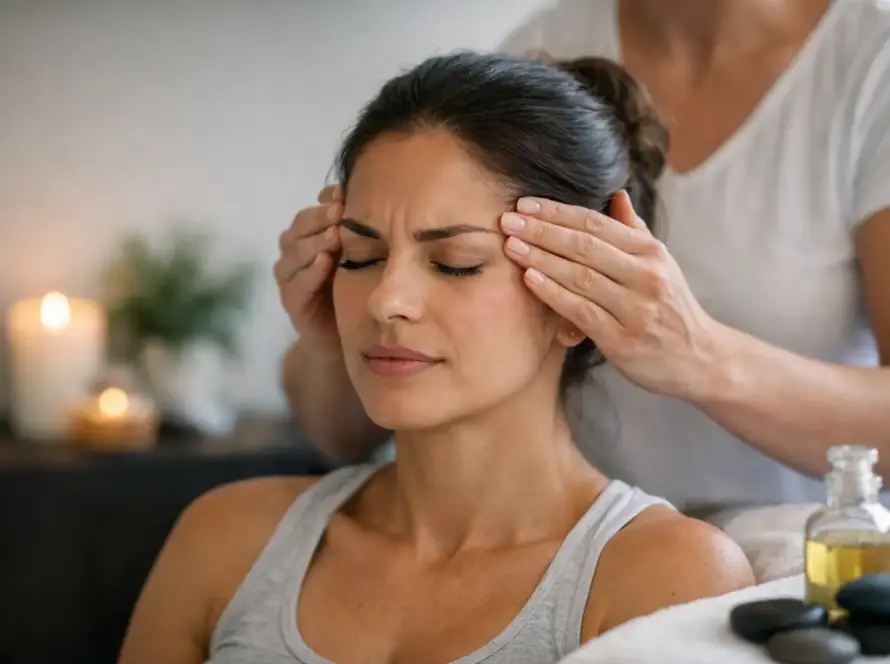
By the second or third trimester, even simple things can start to feel strangely difficult. Shoes fit tighter by evening, rings may need to come off, and ankles can look puffier than usual after a day of sitting, standing, or chasing after other kids. That is often when people start asking how pregnancy massage reduces swelling, and the answer is reassuringly practical. The right massage can support circulation, encourage lymphatic movement, and give the body a gentler way to handle the fluid shifts that come with pregnancy.
Swelling during pregnancy is common, especially in the feet, ankles, and lower legs. It can also show up in the hands and face, though that is where a little more caution matters. Not every kind of swelling is harmless, and not every massage approach is appropriate during pregnancy. But when treatment is tailored for this stage of life, pregnancy massage can offer both relief and comfort in a way that feels safe, calming, and genuinely useful.
Why swelling happens during pregnancy
Pregnancy asks a lot from the body. Blood volume increases, hormones change how tissues hold fluid, and the growing uterus can place more pressure on veins that normally help return blood from the legs back to the heart. That combination can slow circulation and make it easier for fluid to collect in the lower body.
Daily life adds to it. Long hours on your feet, warm weather, tight footwear, dehydration, and sitting for too long can all make swelling more noticeable. For many women, it builds as the day goes on and improves after rest.
This is one reason swelling can feel so frustrating. It is not always tied to injury or overexertion. Sometimes it simply reflects the extra workload pregnancy places on the circulatory and lymphatic systems.
How pregnancy massage reduces swelling in a practical way
The short version is that massage helps move things along. Gentle, pregnancy-safe techniques can encourage blood flow and support the lymphatic system, which helps the body manage excess fluid. When circulation is sluggish, fluid tends to linger in the tissues. When movement improves, the body is often better able to reabsorb and redistribute that fluid.
Massage also helps reduce muscular tension. That matters more than many people realize. Tight muscles in the hips, low back, and legs can contribute to that heavy, uncomfortable feeling in the lower body. When those areas relax, people often notice they feel less pressure and more ease, even if the change in visible swelling is gradual rather than dramatic.
There is also the rest factor. Stress can worsen physical discomfort, and pregnancy has a way of making every ache feel more amplified. A well-designed pregnancy massage session gives the body a chance to settle. That calmer state can support better circulation and leave you feeling lighter overall.
What a pregnancy massage session usually focuses on
Pregnancy massage is not just regular massage with a pillow adjustment. It should be adapted to the trimester, the client’s comfort, and the symptoms they are experiencing that day. Positioning matters. Pressure matters. Even session pacing matters.
A therapist will typically focus on areas where swelling and tension are most common, such as the feet, calves, and lower legs, while also addressing supportive regions like the hips, low back, shoulders, and neck. The pressure is usually moderate to light, not aggressive. The goal is to encourage healthy movement in the tissues without creating irritation or overstimulation.
For someone dealing with puffy feet and aching legs, the work often feels soothing almost immediately. That said, results vary. Some people notice their shoes feel looser later that day. Others mainly notice less heaviness, better rest, or easier movement over the next 24 hours.
The role of circulation and lymphatic flow
When people think about swelling, they often think only about water retention. In reality, the body is constantly managing fluid through blood vessels, lymphatic channels, and surrounding tissues. During pregnancy, that balance can become less efficient.
Massage helps by using rhythmic, intentional pressure to encourage movement in the soft tissues. This can assist venous return, which is how blood travels back toward the heart, and can also support lymphatic drainage, which helps carry away excess fluid and waste products.
That does not mean massage forces swelling to disappear instantly. It is more accurate to say it supports the body’s own fluid management systems. For many pregnant clients, that support is enough to make everyday discomfort much easier to live with.
When swelling is normal and when it deserves attention
This is where nuance matters. Mild swelling in the feet and ankles is common in pregnancy, especially later in the day. Symmetrical swelling that improves with elevation or rest is often expected.
But sudden, severe, or one-sided swelling should not be brushed off. Swelling in the face or hands that appears quickly, swelling paired with headache, vision changes, shortness of breath, or calf pain, or anything that feels unusual for you should be discussed with your prenatal care provider right away.
Massage is a supportive therapy, not a substitute for medical assessment. A qualified massage therapist should always work within that boundary and encourage medical follow-up when symptoms seem outside the normal range.
How pregnancy massage reduces swelling more effectively over time
One session can help, but consistency often makes the biggest difference. Swelling that builds week after week usually responds best to a broader care routine rather than a one-time fix. That may include regular pregnancy massage, changing positions more often during the day, gentle walking, supportive hydration, and elevating the legs when possible.
This is where ongoing care becomes valuable. As pregnancy progresses, the body’s needs can shift quickly. A treatment plan that felt perfect a month ago may need adjustment later. Some clients want more focus on low back tension and hip strain. Others need extra care for tired legs, foot swelling, and sleep discomfort.
A clinic that offers both therapeutic support and a calming environment can make that easier. At Massage Central, pregnancy massage is approached with both comfort and results in mind, which matters when you want relief that feels nurturing but still purposeful.
What pregnancy massage can and cannot do
Pregnancy massage can reduce discomfort, support circulation, and help relieve that heavy, swollen feeling in the legs and feet. It may also improve relaxation, sleep, and body awareness, which can make the rest of pregnancy feel more manageable.
It cannot eliminate every source of swelling. If your job keeps you on your feet for long hours, if the weather is hot, or if you are in a later stage of pregnancy where fluid retention is simply more pronounced, massage may bring partial relief rather than a full reset. That still has value. Even a noticeable reduction in pressure and fatigue can improve how you move, rest, and function day to day.
It is also not a treatment for medical complications. If swelling is related to something that needs physician care, massage should be part of the conversation only after proper medical guidance.
Getting the most from your session
A few simple habits can help your body respond better to pregnancy massage. Arriving well-hydrated helps tissues stay more responsive. Wearing easy-to-remove shoes and comfortable clothing makes the whole experience feel less effortful. If swelling tends to spike at a certain time of day, booking around that pattern may help too.
It also helps to be specific about what you are feeling. If your calves feel tight, your feet ache by evening, or your hands are starting to feel stiff, say so. The more clearly your therapist understands the pattern, the more personalized the treatment can be.
And if something does not feel right during the session, speak up. Pregnancy massage should feel supportive, not intense or uncomfortable. Good treatment adapts to the body in front of it.
A gentle option that supports real relief
Pregnancy changes circulation, posture, sleep, and energy all at once, so discomfort rarely comes from just one place. That is why pregnancy massage can be so helpful. It does not only target swelling. It supports the whole system around it, helping the body feel calmer, lighter, and better able to cope with the physical demands of each trimester.
If swelling has started to make your days feel heavier than they need to, the right pregnancy massage can be more than a nice break. It can be a practical form of care that helps you feel more comfortable in your body while it does the remarkable work of growing a baby.